
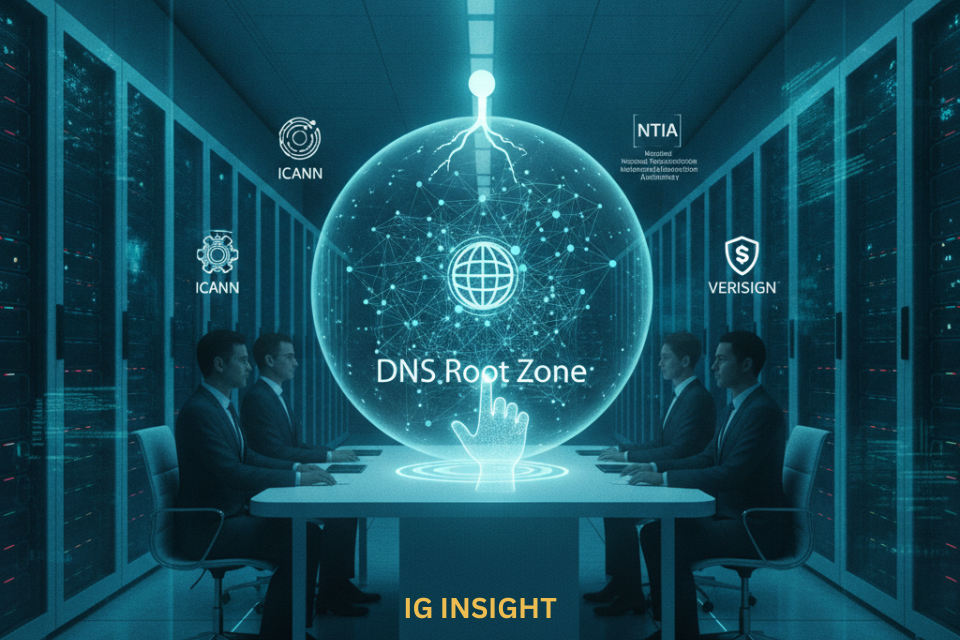
Who Manages the DNS Root Zone?
Who Manages the DNS Root Zone And Why Does It Matter More Than You Think?The invisible infrastructure behind every website
Who Manages the DNS Root Zone And Why Does It Matter More Than You Think?The invisible infrastructure behind every website

The Full Inside Story of How .com, .org, .africa, and Every Other Domain Extension Is Created, Governed, and Kept Running

Democracy for the Internet — How Billions of Users, Governments, Businesses, and Experts All Get a Voice in One RoomA

Trust, Security, and the Future of a Unified Global InternetHow a Cryptographic Protocol Became the Cornerstone of Internet Governance Policy
The Organization Behind the Internet’s Safety Net — Explained From DNS Security and Root Zone Integrity to Abuse Mitigation and
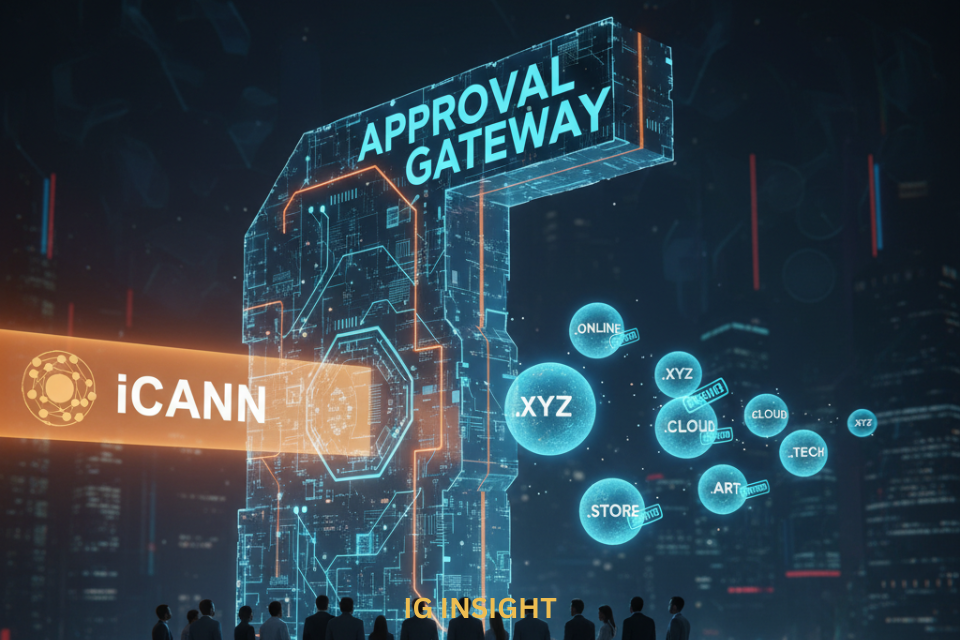
The Complete Inside Story of the New gTLD Approval Process From Application to Delegation — Every Stage, Every Requirement, and

Why the Internet Needs a Lock — And Who Holds the KeyHow One Organization Holds the Cryptographic Keys That Keep

There is a quiet power struggle happening right now that most people know nothing about — and its outcome will

The Engineers Who Actually Keep the Internet Running Inside the grassroots technical communities shaping global internet infrastructure Every time you
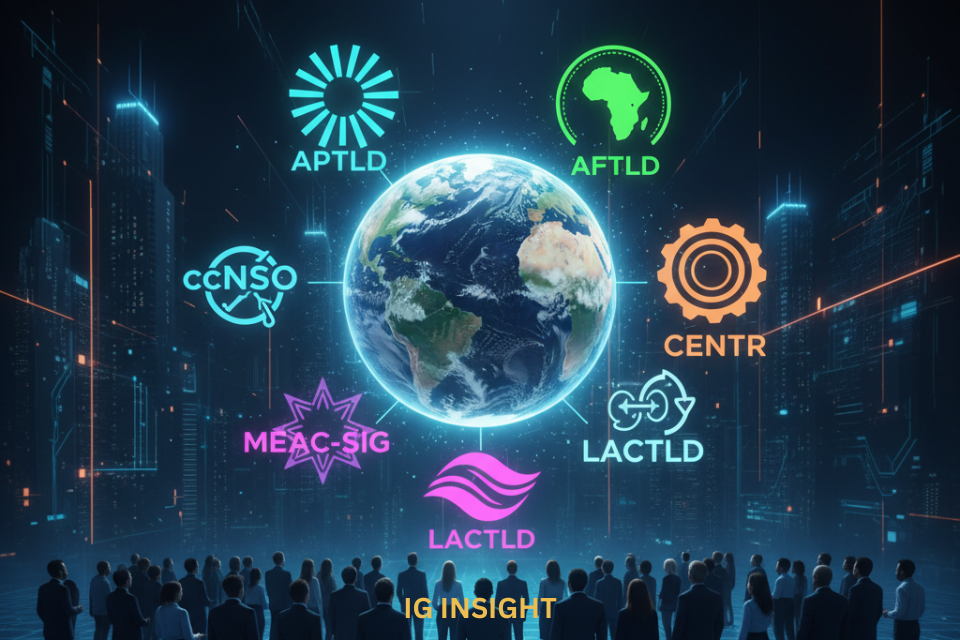
Every time you type .uk, .de, .africa, or .com.bd into a browser, you’re touching the work of a regional TLD

Your No-Cost, No-Excuses Guide to Mastering the Policies, People, and Platforms That Govern the Global Internet From Complete Beginner to

So, what is Universal Acceptance (UA)? In simple terms, it’s about making sure the Internet recognizes and supports every valid