Every time you type .uk, .de, .africa, or .com.bd into a browser, you’re touching the work of a regional TLD organization — whether you know it or not.
These organizations are the quiet architects of the internet’s address system. They manage country-code and regional top-level domains (TLDs), shape DNS policy at the local level, and bridge the gap between global internet governance bodies like ICANN and the billions of users on the ground.
So what exactly are regional TLD organizations, why do they exist, and why should you care? Let’s break it all down.
What Are Regional TLD Organizations?
A Top-Level Domain (TLD) is the last segment of a domain name — the .com, .org, .ng, or .asia that comes after the final dot. There are two main categories:
- Country Code TLDs (ccTLDs): Two-letter domains assigned to countries and territories — .us (USA), .bd (Bangladesh), .jp (Japan), .za (South Africa), .br (Brazil), etc.
- Generic TLDs (gTLDs): Multi-letter domains not tied to a specific country — .com, .org, .net, .shop, .africa, .asia, etc.
Regional TLD organizations are groups, forums, and associations that bring together ccTLD managers and regional internet stakeholders within a geographic area. Their mission: coordinate policy, share technical best practices, advocate for their region in global internet governance, and build capacity among member registries.
| 💡 Key Insight: Regional TLD organizations are not registries themselves — they are the collaborative platforms through which registry operators communicate, set standards, and collectively influence how the internet works in their part of the world. |
The Major Regional TLD Organizations: A Deep Dive
1. AFTLD — African Top-Level Domains Organization
The Champion of Africa’s Digital Sovereignty
AFTLD is the regional TLD organization representing African country-code TLD operators. Founded to give Africa a unified voice in global internet governance, AFTLD works to ensure that African ccTLDs — from .ng (Nigeria) to .za (South Africa) to .ke (Kenya) — are technically robust, policy-aware, and community-driven.
| 📍 Headquarters: AFTLD operates as a pan-African body with rotating leadership. Secretariat functions are distributed among members. |
| AFTLD Activity | Description & Community Impact |
| Annual General Meeting | Brings together African ccTLD managers for policy discussion and elections |
| Technical Workshops | DNS security (DNSSEC), registry software training, and best practices |
| IDN Promotion | Advocating for African language IDN ccTLDs — Tifinagh, Arabic, Amharic scripts |
| ICANN Liaison | Represents African ccTLD interests at ICANN meetings and in ccNSO |
| Capacity Building | Training programs for emerging ccTLD operators in less-resourced African nations |
| Policy Development | Collaborates with AU (African Union) on digital policy frameworks |
| AfricaConnect | Works with internet exchange points (IXPs) to keep African traffic local |
| Youth & Inclusion | Partners with schools and universities to promote .africa and local ccTLDs |
- Members include: .ng, .za, .ke, .gh, .tz, .et, .eg, .ma, .sn, and 50+ African ccTLDs
- AFTLD works closely with AFRINIC (African RIR) and the African Union on digital sovereignty
- Key challenge: Many African ccTLDs are under-resourced — AFTLD bridges capacity gaps
- Emerging priority: IDN ccTLDs in Arabic (North Africa), Tifinagh (Amazigh), and Ethiopian scripts
2. APTLD — Asia Pacific Top Level Domain Association
Connecting the World’s Largest Internet Market
APTLD is one of the most active and influential regional TLD organizations on the planet — and with good reason. The Asia-Pacific region is home to the world’s largest internet user base, with countries like China, India, Japan, and Indonesia driving enormous DNS growth.
| 📍 Headquarters: APTLD has no fixed headquarters; it operates as a distributed membership association across the Asia-Pacific region. |
| APTLD Activity | Description & Community Impact |
| APTLD Forums | Bi-annual meetings rotating across Asia-Pacific for knowledge exchange |
| DNS Security Training | DNSSEC workshops, DDoS resilience, and registry security programs |
| IDN ccTLD Leadership | Region has the most IDN ccTLDs globally — Chinese, Japanese, Korean, Devanagari |
| ICANN Engagement | Strong APTLD presence in ccNSO, GNSO, and ICANN public comment processes |
| Policy Harmonization | Works to align diverse national DNS policies across 40+ member jurisdictions |
| Technical Standards | Contributes to IETF and ICANN on IDNA, DNSSEC, and RDAP standards |
| Developing Economy Support | Capacity building for Pacific Island nations and Southeast Asian operators |
| Universal Acceptance | Active UA Day participant; promotes multilingual domain use regionally |
- Members include: .cn, .jp, .in, .au, .kr, .id, .pk, .bd, .ph, .vn, .nz, .sg, .my and 40+ more
- The region manages the world’s largest IDN deployments (.中国, .日本, .한국, .भारत, .بھارت)
- APTLD is a key voice on Asia-Pacific-specific internet governance issues at the IGF
- Rapid growth in Southeast Asia and South Asia is making APTLD increasingly influential
3. CENTR — Council of European National Top-Level Domain Registries
Europe’s DNS Powerhouse
CENTR is arguably the most technically sophisticated of all regional TLD organizations. Founded in 1998, it represents European ccTLD registries and has been at the forefront of DNS technical innovation, policy development, and internet governance for over two decades.
| 📍 Headquarters: Brussels, Belgium — reflecting Europe’s role as a global regulatory hub. |
| CENTR Activity | Description & Community Impact |
| Technical Working Groups | DNS, DNSSEC, EPP, RDAP — CENTR sets the technical gold standard |
| CENTR Academy | Free online learning platform for ccTLD operators worldwide |
| Legal & Regulatory | Deep expertise on GDPR, NIS2, and EU digital regulation affecting DNS |
| Market Intelligence | Publishes the Domain Industry Brief — key DNS market statistics for Europe |
| Stakeholder Engagement | Active in ICANN, IGF, EuroDIG, and EU institutions (European Commission, ENISA) |
| WHOIS/RDAP Standards | Led transition from legacy WHOIS to modern RDAP protocol |
| Cybersecurity Collaboration | Works with ENISA and national CERTs on DNS abuse and resilience |
| Annual General Assembly | Key European internet governance gathering with global participation |
- Members include: .de (Germany — largest ccTLD in Europe), .uk, .fr, .nl, .eu, .it, .es, .pl, .ch, .se
- .de alone has 17M+ registered domains — one of the largest ccTLDs globally
- CENTR’s legal working group is essential for navigating GDPR and EU AI Act implications for DNS
- CENTR Academy is free and open globally — a public good for the entire ccTLD community
4. LACTLD — Latin America and Caribbean TLD Association
Amplifying Latin America’s Internet Voice
LACTLD brings together the ccTLD registries of Latin America and the Caribbean — a region of extraordinary linguistic, cultural, and digital diversity. From the massive .br (Brazil) to small island ccTLDs across the Caribbean, LACTLD ensures every nation in the region has a voice in shaping DNS policy.
| 📍 Headquarters: Montevideo, Uruguay — home to several key internet organizations including LACNIC. |
| LACTLD Activity | Description & Community Impact |
| Annual Meeting | Rotating Latin American and Caribbean host for knowledge exchange |
| DNS Security Programs | DNSSEC deployment, registry resilience, and abuse mitigation |
| Spanish/Portuguese Resources | Unique focus on language-appropriate technical documentation |
| ICANN LAC Hub | Close collaboration with LACNIC and ICANN’s Latin America regional hub |
| Digital Inclusion | Promotes local ccTLD use to reduce dependence on .com for regional identity |
| Capacity Building | Technical training for Caribbean island ccTLD operators |
| IGF LAC | Partners with the Latin American and Caribbean regional IGF initiative |
| Policy Positions | Collective LACTLD positions submitted to ICANN and UN internet bodies |
- Members include: .br (Brazil — 5M+ domains), .ar, .mx, .co, .cl, .pe, .uy, .do, .tt, .jm and 30+ more
- .br is one of the world’s top 10 ccTLDs — managed by NIC.br, a LACTLD anchor member
- LACTLD works closely with LACNIC (Latin American RIR) on regional internet governance
- Caribbean small island nations benefit significantly from LACTLD’s capacity-building programs
5. MEAC-SIG — Middle East and Arab Countries Special Interest Group
Bridging the Arab Digital World
The Middle East and Arab Countries Special Interest Group (MEAC-SIG) represents ccTLD operators across the Arab world and broader Middle East. This is a region with unique DNS challenges — including the world’s most active IDN ccTLD deployments in Arabic script and the rapid digitalization of Gulf economies.
| 📍 Region: Covers the Arab League states and neighbouring Middle Eastern countries, coordinating closely with ICANN and the Arab Internet Governance Forum. |
| MEAC-SIG Activity | Description & Community Impact |
| Arabic IDN ccTLD Leadership | Manages and promotes Arabic-script IDN ccTLDs (.مصر, .السعودية, .امارات, .عراق) |
| Universal Acceptance | Leading UA adoption in Arabic-language software and government portals |
| Policy Coordination | Aligns DNS policies across diverse Arab League member states |
| ICANN Engagement | Active ccNSO participation; promotes Arab region interests in ICANN processes |
| E-Government Integration | Works with governments to accept Arabic domains in national digital services |
| Technical Workshops | DNS security and IDN implementation training for Arab ccTLD operators |
| Arab IGF Participation | Strong presence at the Arab Internet Governance Forum |
| Multilingual Internet | Advocates for Arabic as a first-class internet language at global forums |
- Key members: .sa, .ae, .eg, .iq, .jo, .lb, .ma, .qa, .kw, .bh, .om, .ps, .ly, .tn, .dz, .ye, .sy
- Arabic IDN ccTLDs represent the most significant non-Latin script deployment in the DNS
- Saudi Arabia (.sa / .السعودية) and UAE (.ae / .امارات) lead regional IDN adoption
- The Arab region has the world’s fastest-growing internet user base after Sub-Saharan Africa
6. ccNSO — Country Code Names Supporting Organisation (ICANN)
The Global Voice of ccTLD Operators Inside ICANN
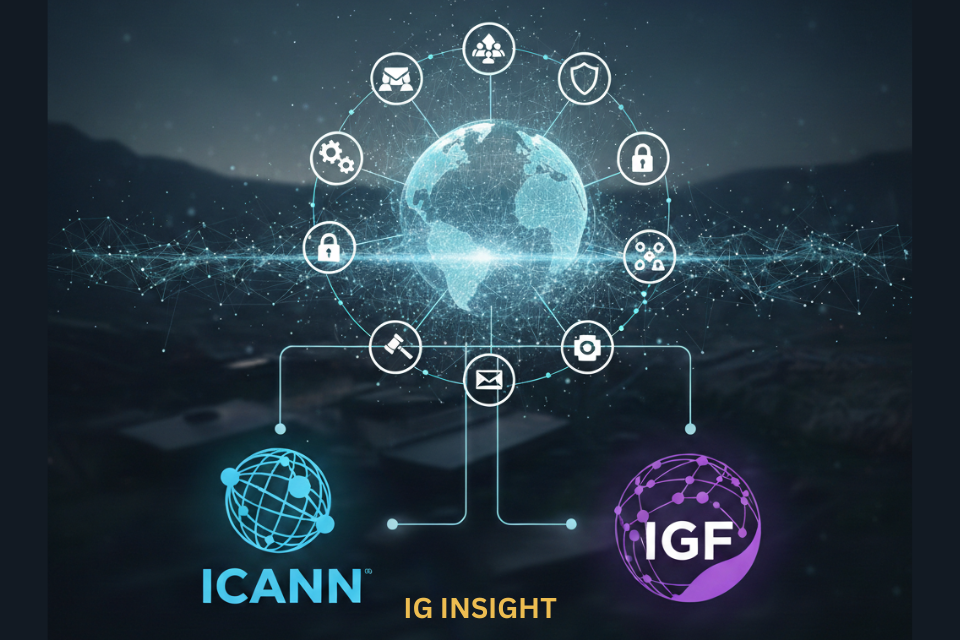
While not a ‘regional’ organization in the geographic sense, the ccNSO is the formal body within ICANN’s structure that represents all ccTLD managers globally. It’s the institutional bridge between regional TLD organizations and ICANN’s decision-making processes.
| 📍 Headquarters: Part of ICANN — headquartered in Los Angeles, California, USA, with global reach. |
- Develops and recommends policies affecting ccTLDs to ICANN’s Board of Directors
- Manages the rules for delegation, redelegation, and retirement of ccTLDs
- Elects 3 members to the ICANN Board — giving ccTLDs real governance power
- Works on IDN Fast Track (how new country-script IDN ccTLDs are introduced)
- Liaises with all regional TLD bodies (AFTLD, APTLD, CENTR, LACTLD, MEAC-SIG)
- Produces policy advice on privacy, security, and Internationalized Domain Names
Regional TLD Organizations: Side-by-Side Comparison
| Organization | Region | Founded | Members | Key Focus | IG Role |
| AFTLD | Africa | 2000 | 50+ ccTLDs | Capacity building, IDNs | AU & ICANN liaison |
| APTLD | Asia-Pacific | 1998 | 40+ ccTLDs | IDNs, DNS security | ICANN & IGF regional |
| CENTR | Europe | 1998 | 50+ ccTLDs | Technical standards, GDPR | EU & ICANN policy |
| LACTLD | Latin America & Caribbean | 2000 | 35+ ccTLDs | Digital inclusion, DNS | LACNIC & ICANN |
| MEAC-SIG | Middle East & Arab | 2004 | 20+ ccTLDs | Arabic IDNs, UA | Arab IGF & ICANN |
| ccNSO | Global (within ICANN) | 2003 | All ccTLDs | ccTLD policy at ICANN | ICANN Board elections |
Regional TLD Organizations & Internet Governance
Regional TLD organizations aren’t just technical clubs — they are pivotal players in global internet governance. Here’s how they shape the rules of the internet:
Their Roles in Internet Governance
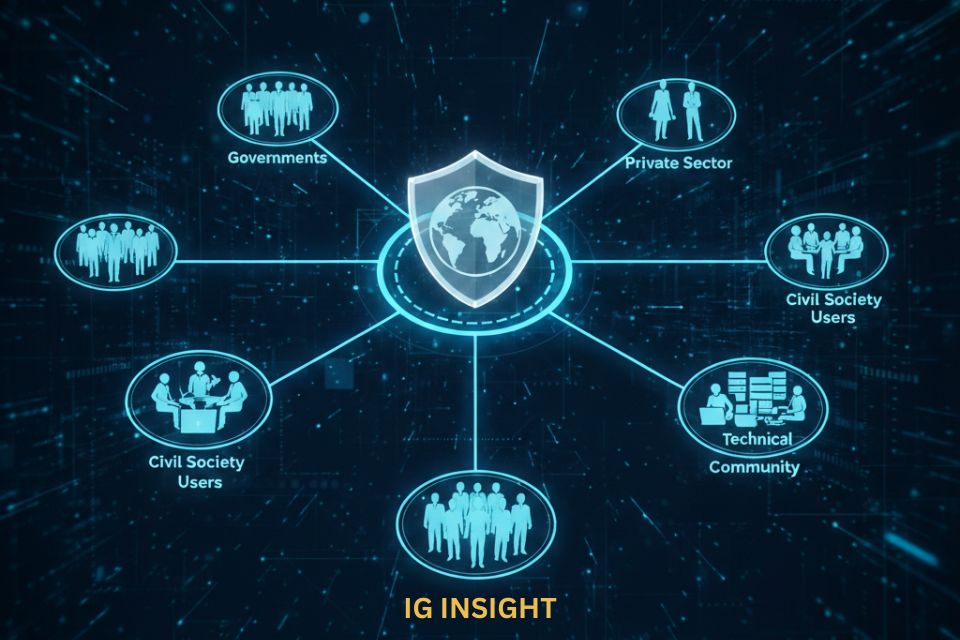
- ICANN Policy Development: Regional bodies submit collective comments on ICANN policy proposals — giving smaller ccTLD operators a collective voice they wouldn’t have individually.
- IGF Participation: AFTLD, APTLD, CENTR, LACTLD, and MEAC-SIG all have strong presences at the annual Internet Governance Forum, running sessions and shaping the internet policy agenda.
- DNS Stability: By coordinating technical standards regionally, these organizations help maintain the global stability, security, and resilience of the DNS.
- Digital Sovereignty: They advocate for national and regional control over internet infrastructure — a hot-button issue as geopolitical tensions around internet governance intensify.
- Capacity Building: In developing regions (Africa, Pacific Islands, Caribbean), regional TLD bodies provide training and resources that individual ccTLDs couldn’t access alone.
- Multilingual Internet: Regional organizations are the primary drivers of IDN ccTLD deployment and Universal Acceptance advocacy in their regions.
Community Activities Across Regional TLD Organizations
| Activity Type | Examples Across Organizations | Community Benefit |
| Annual Meetings | AFTLD AGM, APTLD Forum, CENTR GA, LACTLD Meeting, MEAC-SIG Workshop | Peer learning, elections, policy discussion |
| Technical Training | DNSSEC, EPP, RDAP, DDoS mitigation, registry software | Stronger, more secure regional DNS |
| Policy Advocacy | Collective submissions to ICANN, UN, ITU, and national governments | Amplified regional voice in global policy |
| IDN Promotion | Arabic, Chinese, Devanagari, Tifinagh script ccTLD campaigns | Inclusive multilingual internet |
| Youth Programs | University partnerships, fellowship pipelines, hackathons | Next-gen internet governance leaders |
| UA Day Participation | Regional UA Day events coordinated with UASG | Software readiness for all scripts |
| Digital Inclusion | Low-cost domain programs, local content initiatives | Broader internet adoption in underserved areas |
| Cybersecurity | DNS abuse frameworks, CERT collaboration, incident response | Safer internet for regional users |
Frequently Asked Questions (FAQ)
Q: What is the difference between a regional TLD organization and a registry?
A: A registry is the organization that actually operates a specific TLD — for example, Nominet operates .uk, and DENIC operates .de. A regional TLD organization (like CENTR or APTLD) is an association or forum that brings together multiple registries from a region to coordinate policy, share best practices, and advocate collectively in internet governance forums. Think of it as the trade association for registry operators.
Q: Do regional TLD organizations have authority over domain name registrations?
A: No. Regional TLD organizations do not directly manage domain name registrations. That is the role of individual ccTLD registries (and their accredited registrars). Regional bodies focus on coordination, capacity building, policy advocacy, and technical standards — not on day-to-day domain registration activities.
Q: How do regional TLD organizations relate to ICANN?
A: Regional TLD organizations (AFTLD, APTLD, CENTR, LACTLD, MEAC-SIG) are independent of ICANN but work closely with it. Their members participate in ICANN’s ccNSO (Country Code Names Supporting Organisation), which is the formal channel for ccTLD policy at ICANN. Regional bodies amplify their members’ voices in ICANN’s policy development processes.
Q: What is a ccTLD and how is it different from a gTLD?
A: A ccTLD (country code TLD) is a two-letter domain assigned to a specific country or territory — like .bd for Bangladesh, .de for Germany, or .jp for Japan. A gTLD (generic TLD) is not country-specific — like .com, .org, .net, or newer ones like .shop and .africa. Regional TLD organizations primarily focus on ccTLDs, though some gTLD operators also participate. Read more, ccTLD vs gTLD
Q: What is an IDN ccTLD and why does it matter for developing regions?
A: An IDN ccTLD (Internationalized Domain Name ccTLD) is a country-code domain name written in a non-Latin script — for example, .مصر (Egypt in Arabic), .中国 (China in Chinese), or .भारत (India in Devanagari). For regions where most people do not use Latin script, IDN ccTLDs are essential for a truly localized internet experience. Regional TLD organizations are the primary advocates and coordinators for IDN ccTLD deployment in their regions.
Q: How can I get involved with regional TLD organizations?
A: Most regional TLD organizations welcome participation from ccTLD registry operators, policymakers, researchers, and internet governance advocates. You can attend their annual meetings (many are open to observers), join their mailing lists, participate in ICANN’s ccNSO, or engage through national IGF initiatives. For youth and emerging professionals, ICANN’s fellowship programs often provide a pathway into these regional communities.
Q: Why does Africa have so many under-resourced ccTLDs?
A: Many African ccTLD registries were established by universities or government ministries with limited technical and financial resources. Legacy delegation arrangements, governance gaps, and limited local internet infrastructure have historically constrained some African ccTLDs. AFTLD, AFRINIC, and ICANN’s Organizational Reviews work to address these gaps — and the rapid growth of Africa’s internet economy is dramatically improving the situation.
Q: What is the WSIS+20 review and how does it affect regional TLD organizations?
A: WSIS+20 is the 20-year review of the 2003/2005 World Summit on the Information Society, taking place in 2025. It will reassess the multi-stakeholder model of internet governance, the role of ICANN, the IGF’s mandate, and digital development goals. Regional TLD organizations are preparing collective positions to ensure that ccTLD operators — especially from the Global South — have their interests represented in this landmark process.
Why Regional TLD Organizations Are More Important Than Ever
The internet is not a monolith. It’s a patchwork of languages, cultures, policies, and infrastructures — held together by a shared set of technical standards and governance norms. Regional TLD organizations are the institutions that make this patchwork work.
As the internet faces pressure from digital sovereignty movements, AI disruption, multilingual expansion, and geopolitical fragmentation, the role of regional TLD organizations is not shrinking — it’s growing.
They are the connective tissue between global internet governance and local internet realities. And in a world where the next billion internet users will come primarily from Africa, Asia, and the Middle East — speaking Arabic, Swahili, Hindi, Bangla, and hundreds of other languages — the work of AFTLD, APTLD, CENTR, LACTLD, and MEAC-SIG has never mattered more.
| Shape the Internet From Your Region The internet’s future is being written right now — in policy rooms, technical forums, and community meetings. ✦ Explore AFTLD: aftld.org ✦ Explore APTLD: aptld.org ✦ Explore CENTR: centr.org ✦ Explore LACTLD: lactld.org ✦ Engage with ccNSO at ICANN: icann.org/groups/ccnso Your domain. Your region. Your voice. |

Dipankar Barua is an internet governance advocate from Dhaka, Bangladesh, who believes that voices from the Global South must be heard in the rooms where the internet’s future is decided. As an ICANN advocate and VSIG member, he actively engages in multistakeholder policy processes spanning DNS security, digital inclusion, and responsible AI governance. With an academic grounding in Computer Science and AI, and over 15 years of applied IT experience, Dipankar bridges the gap between technical communities and policy spaces — writing, participating, and advocating for a more open, equitable, and inclusive internet for all.