Have you ever wondered who actually decides how the internet works?
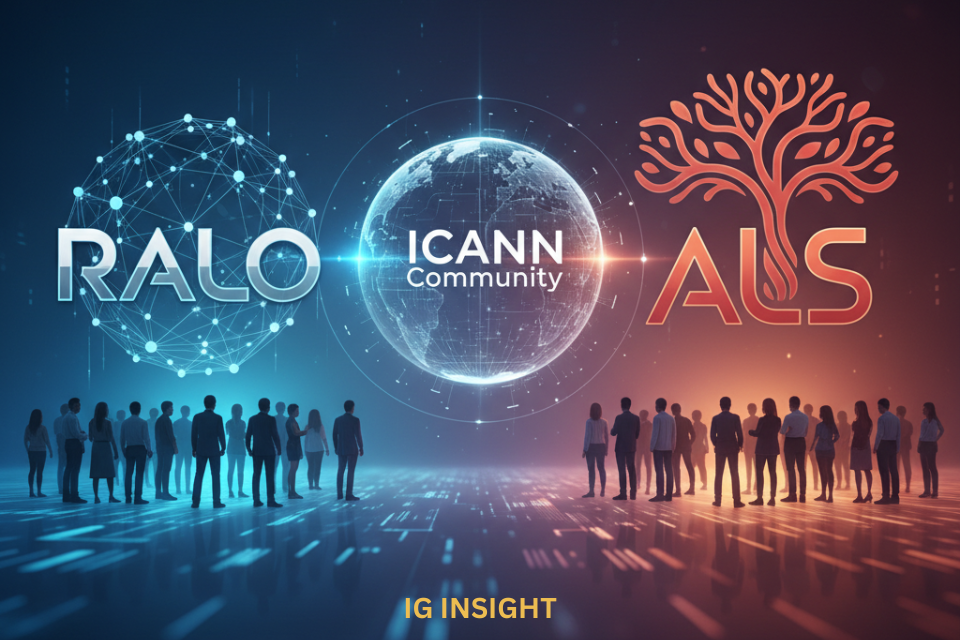
Unlike traditional systems controlled by a single authority, the internet operates through a unique approach called the multistakeholder model in Internet governance.
This model is one of the main reasons the internet has grown into the largest global communication network in history. Instead of giving control to just governments or corporations, multiple groups collaborate to shape how the internet evolves.
Let’s break it down in simple terms.
What Is the Multistakeholder Model in Internet Governance?
The multistakeholder model in Internet governance is a collaborative system where different groups share responsibility for managing and developing the internet.
Rather than one organization controlling everything, the internet is guided by cooperation between:
- Governments
- Private companies
- Technical experts
- Civil society organizations
- Internet users
This model ensures that decisions about the internet are balanced, inclusive, and globally representative.
In simple terms:
Everyone who is affected by the internet gets a voice in shaping its future.
Why the Multistakeholder Model Exists?
The internet is global by nature. It connects billions of people, devices, networks, and services across different countries.
If a single government or organization controlled the internet, it could create problems such as:
- Limited access
- Political control of information
- Slower innovation
- Conflicts between countries
The multistakeholder model in Internet governance helps avoid these issues by ensuring decisions are made through open discussion and collaboration.
Why Does It Matter?
Imagine if only governments controlled the internet. We’d risk censorship and restrictions. If only corporations ran it, profit might outweigh fairness. The multistakeholder model prevents this by blending perspectives.
Here’s why it matters:
- Checks and balances – no single group dominates.
- Global cooperation – the internet is worldwide, so governance must be too.
- Innovation & freedom – diverse voices spark creativity and protect rights.
- Trust & legitimacy – decisions are more accepted when multiple stakeholders are involved.
Key Stakeholders in Internet Governance
The success of the multistakeholder model depends on the participation of several important groups.
Governments
Governments create national policies related to:
- Cybersecurity
- Data protection
- Digital trade
- Online safety
They also participate in international discussions about global internet policies.
Private Sector
Technology companies play a major role because they build and operate much of the internet’s infrastructure.
This includes:
- Internet service providers
- Cloud platforms
- Domain registrars
- Tech companies developing internet technologies
These organizations help ensure the internet remains innovative and scala
Technical Community
Technical experts and engineers develop the standards that allow the internet to function smoothly.
Important organizations involved include:
- Internet Corporation for Assigned Names and Numbers – manages domain names and IP address systems
- Internet Engineering Task Force – develops technical standards for internet protocols
- World Wide Web Consortium – creates standards for web technologies
Their work ensures the internet remains interoperable, reliable, and secure.
Civil Society
Civil society groups represent the interests of everyday internet users.
They advocate for:
- Digital rights
- Online privacy
- Freedom of expression
- Inclusive internet access
These voices help prevent internet governance from being dominated by governments or corporations.
Individual Users
Yes—you are also part of the multistakeholder model.
Researchers, academics, and even everyday users can participate in discussions, public consultations, and forums that shape internet policies.
This openness helps maintain a democratic and transparent internet ecosystem.
Benefits of the Multistakeholder Model
The multistakeholder model in Internet governance offers several advantages that have helped the internet grow rapidly.
Balanced Decision-Making
Different perspectives lead to better policies and more practical solutions.
Global Collaboration
Internet governance decisions reflect international cooperation rather than national control.
Faster Innovation
Technology companies and engineers can quickly implement improvements without excessive bureaucracy.
Protection of Digital Rights
Civil society participation ensures that privacy, freedom of speech, and user rights are considered.
Challenges of the Multistakeholder Approach
While the model has many advantages, it also faces some challenges.
Complex Decision-Making
With many participants involved, reaching consensus can take time.
Power Imbalance
Large corporations and wealthy nations may have more influence than smaller stakeholders.
Global Policy Differences
Countries sometimes disagree on issues like:
- Content moderation
- Data sovereignty
- Online surveillance
Despite these challenges, the multistakeholder model remains the most widely accepted approach to internet governance today.
Real-World Examples
The multistakeholder model isn’t just theory—it’s already in action:
- ICANN (Internet Corporation for Assigned Names and Numbers) uses this model to manage domain names and IP addresses.
- Internet Governance Forum (IGF) brings governments, businesses, and civil society together to discuss policies.
- Technical standards bodies like the IETF rely on open participation from experts worldwide.
Why This Model Matters for the Future of the Internet?
The internet is evolving rapidly with new technologies such as:
- Artificial intelligence
- Cloud computing
- Blockchain
- Internet of Things (IoT)
These innovations raise new questions about privacy, security, and digital ethics.
The multistakeholder model in Internet governance ensures that these decisions are not made behind closed doors but through global collaboration and transparency.
Final Thoughts
The internet works because no single entity owns it.
Instead, the multistakeholder model in Internet governance allows governments, companies, technical experts, and users to work together to guide the future of the digital world.
This collaborative approach has helped keep the internet open, innovative, and globally accessible.
As technology continues to evolve, the multistakeholder model will remain essential for protecting the internet as a shared global resource.
Want to Understand the Internet Better?
If you’re interested in learning more about internet governance, digital rights, and tech trends? Explore more guides on our blog and ubscribe to our blog today and be part of the conversation that shapes tomorrow’s web!
Stay ahead of the digital world, expand your knowledge, and discover how the internet really works behind the scenes.

Dipankar Barua is an internet governance advocate from Dhaka, Bangladesh, who believes that voices from the Global South must be heard in the rooms where the internet’s future is decided. As an ICANN advocate and VSIG member, he actively engages in multistakeholder policy processes spanning DNS security, digital inclusion, and responsible AI governance. With an academic grounding in Computer Science and AI, and over 15 years of applied IT experience, Dipankar bridges the gap between technical communities and policy spaces — writing, participating, and advocating for a more open, equitable, and inclusive internet for all.
Related posts:
 What is Internet Governance? The Simple Guide You Didn’t Know You Needed
 The Internet’s Global Meeting Room: What Is the IGF and Why Everyone Is Talking About It?
 Who Controls the Internet? The Truth About ICANN and What It Actually Does?
 The Internet’s Hidden Address Managers: What Is a RIR and Why It Matters?