When you think about the internet, you probably imagine websites, apps, or social media. But behind the scenes, there’s a global conversation happening about how the internet should be governed. That conversation takes place at the Internet Governance Forum (IGF). So, let’s dive into what the IGF is and why it matters to you.
Every year, policymakers, tech leaders, researchers, and digital rights activists gather to discuss the future of the internet. But where do these conversations happen?
The answer is the Internet Governance Forum, commonly known as IGF.
If you’ve ever wondered “What is the IGF?”, you’re not alone. Despite its global importance, many internet users have never heard of it.
Yet the discussions held at the IGF help shape conversations around online privacy, cybersecurity, digital rights, and the future of the internet.
Let’s break it down in simple terms.
What Is the Internet Governance Forum (IGF)?
The Internet Governance Forum is a global platform where stakeholders from around the world meet to discuss public policy issues related to the internet.
It was established in 2006 by the United Nations following recommendations from the World Summit on the Information Society.
The IGF does not create laws or regulations. Instead, it provides a space for open dialogue and collaboration about how the internet should evolve.
In simple terms:
The IGF is a global discussion forum for shaping the future of the internet.
What Does the IGF Do?
So, what is the IGF actually doing? Here’s the breakdown:
- Annual global meetings – held in different countries, bringing thousands of participants together.
- Policy discussions – covering topics like cybersecurity, privacy, digital inclusion, and emerging technologies.
- Best practice sharing – countries and organizations exchange what works and what doesn’t.
- Regional and national IGFs – smaller forums that feed into the global conversation.
- Youth engagement – encouraging the next generation to shape the future of the internet.
Why the Internet Governance Forum Exists?
The internet connects billions of people across countries, cultures, and political systems. Because of this, decisions about internet governance affect everyone.
The IGF exists to:
- Encourage global dialogue about internet policies
- Promote cooperation between governments and the private sector
- Address emerging digital challenges
- Support a more open and inclusive internet
Rather than allowing one group to dominate the conversation, the IGF brings multiple voices together.
Who Participates in the Internet Governance Forum?
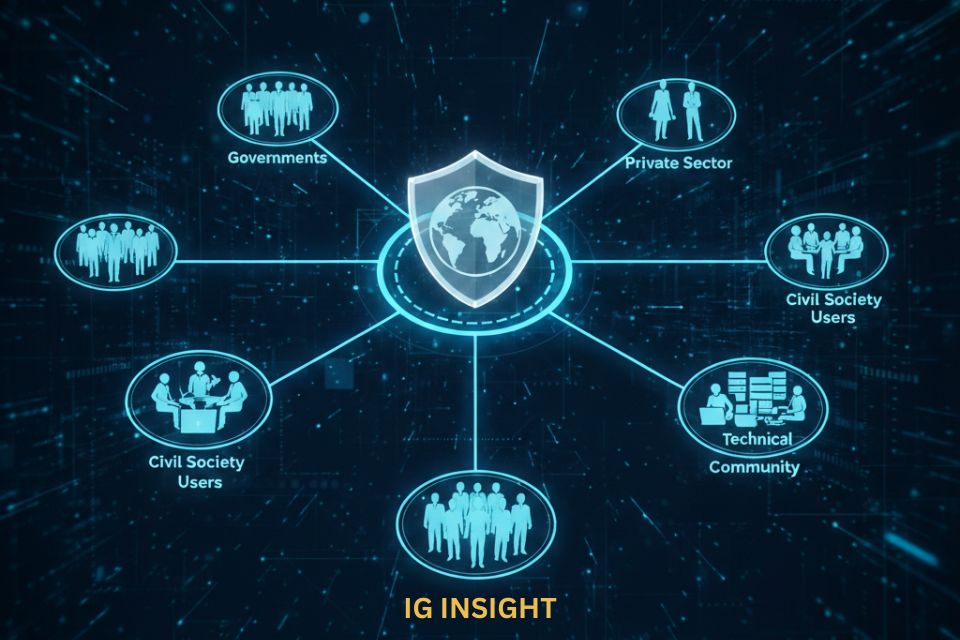
One of the reasons the IGF is unique is its multistakeholder approach.
Participants include representatives from:
Governments
Officials discuss policies related to cybersecurity, digital regulation, and international cooperation.
Technology Companies
Major tech firms and internet companies participate in discussions about innovation, infrastructure, and digital services.
Technical Experts
Engineers and organizations responsible for internet standards share insights on how to maintain a stable internet.
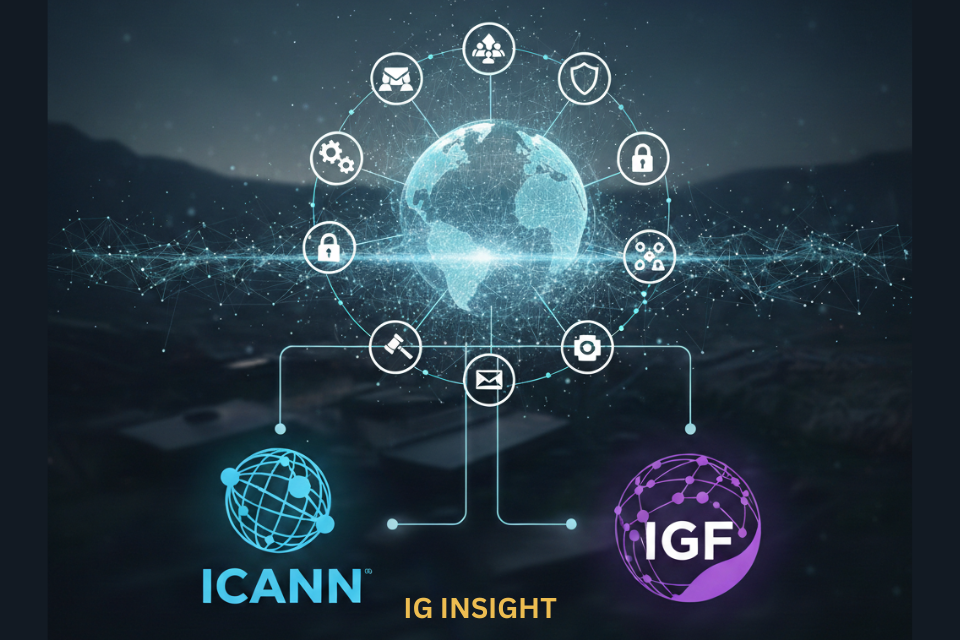
Important technical organizations that often engage in internet governance discussions include:
- Internet Corporation for Assigned Names and Numbers
- Internet Engineering Task Force
Civil Society
Advocacy groups focus on issues such as:
- Digital rights
- Freedom of expression
- Privacy protection
- Inclusive internet access
Academics and Researchers
Universities and research institutions contribute analysis and studies about internet trends and policy impacts.
What Happens at the IGF?
The IGF hosts annual global meetings along with regional and national forums throughout the year.
These gatherings include:
- Panel discussions
- Policy debates
- Workshops
- Research presentations
- Networking events
Participants explore some of the most pressing digital issues shaping our online world.
Key Topics Discussed at the IGF
Each year, the forum focuses on emerging internet governance challenges.
Common discussion topics include:
Cybersecurity
Experts explore strategies to combat cybercrime, ransomware, and online threats.
Data Privacy
Discussions focus on protecting personal information in an increasingly connected world.
Digital Inclusion
The IGF examines ways to expand internet access to underserved communities.
Artificial Intelligence and Emerging Technologies
As AI grows rapidly, the forum discusses responsible innovation and ethical use.
Online Safety and Misinformation
Participants analyze how to address harmful online content while protecting free speech.
Why the IGF Matters
The IGF may not create binding rules, but its influence is significant.
Here’s why it matters:
- It encourages global collaboration on internet policy
- It provides a neutral space for open discussion
- It helps build consensus among stakeholders
- It promotes transparency in internet governance
Many internet policies and initiatives begin as conversations within the IGF community.
Over time, these discussions influence government policies, industry practices, and international cooperation.
Regional and National IGFs
In addition to the global forum, there are many regional and national IGF initiatives around the world.
These local forums help address internet governance issues specific to different countries and regions.
Examples include discussions on:
- Local digital infrastructure
- Regional cybersecurity threats
- National digital policy strategies
These initiatives ensure that internet governance discussions remain inclusive and globally representative.
Challenges Facing the IGF
Despite its benefits, the IGF faces several challenges.
No Direct Decision-Making Power
The forum focuses on dialogue rather than formal policymaking, which means outcomes depend on voluntary cooperation.
Global Policy Differences
Countries often have different views on issues such as:
- Data regulation
- Internet censorship
- Surveillance policies
Rapid Technological Change
New technologies like artificial intelligence and blockchain create new governance challenges faster than policies can adapt.
The Future of the IGF
As the digital world becomes more complex, platforms like the IGF are becoming increasingly important.
Future discussions will likely focus on:
- Artificial intelligence governance
- Global cybersecurity coordination
- Digital economy regulations
- Internet accessibility for developing regions
By bringing together diverse stakeholders, the IGF helps ensure that the internet continues to evolve as a shared global resource.
Final Thoughts
So, what is the IGF?
The Internet Governance Forum is a global platform where governments, companies, experts, and civil society come together to discuss the most important issues affecting the internet.
Although it does not create laws, its role in fostering dialogue and cooperation is essential for shaping the future of the digital world.
In a connected world where billions rely on the internet daily, the IGF helps ensure that decisions about the internet are inclusive, transparent, and globally informed.

Dipankar Barua is an internet governance advocate from Dhaka, Bangladesh, who believes that voices from the Global South must be heard in the rooms where the internet’s future is decided. As an ICANN advocate and VSIG member, he actively engages in multistakeholder policy processes spanning DNS security, digital inclusion, and responsible AI governance. With an academic grounding in Computer Science and AI, and over 15 years of applied IT experience, Dipankar bridges the gap between technical communities and policy spaces — writing, participating, and advocating for a more open, equitable, and inclusive internet for all.