RALO and ALS are both part of ICANN’s At-Large community, but they serve different purposes: ALS (At-Large Structures) are local Internet user organizations, while RALO (Regional At-Large Organizations) are regional groupings of ALSes that coordinate input to ICANN. In short, ALS is the grassroots level, and RALO is the regional umbrella.
Why the RALO vs ALS Question Matters More Than Ever!
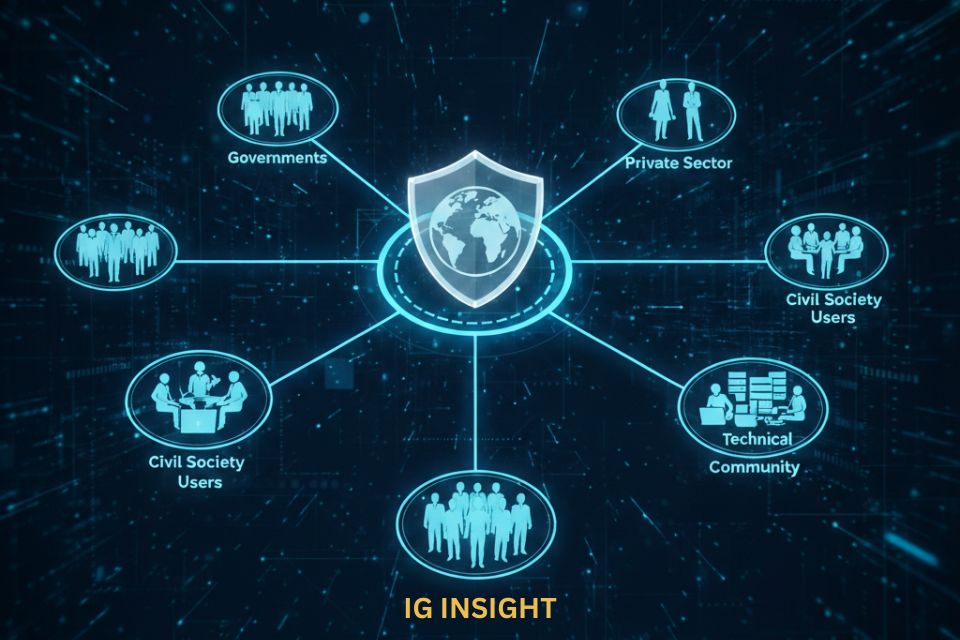
The Internet is governed. Not by a single government or corporation — but by a complex, multi-stakeholder ecosystem where ordinary citizens can actually have a say. Two of the most important (and most confused) structures in this system are RALO and ALS.
If you have ever wondered how a small civil society organization in Lagos or a digital rights group in Manila can influence global internet policy decisions made in Los Angeles or Geneva — this post is for you.
| 💡 Key Insight: Both RALO and ALS are part of ICANN’s At-Large community — the formal mechanism by which everyday internet users participate in the institution that coordinates global internet naming and numbering systems. |
Quick Background: What Is ICANN?
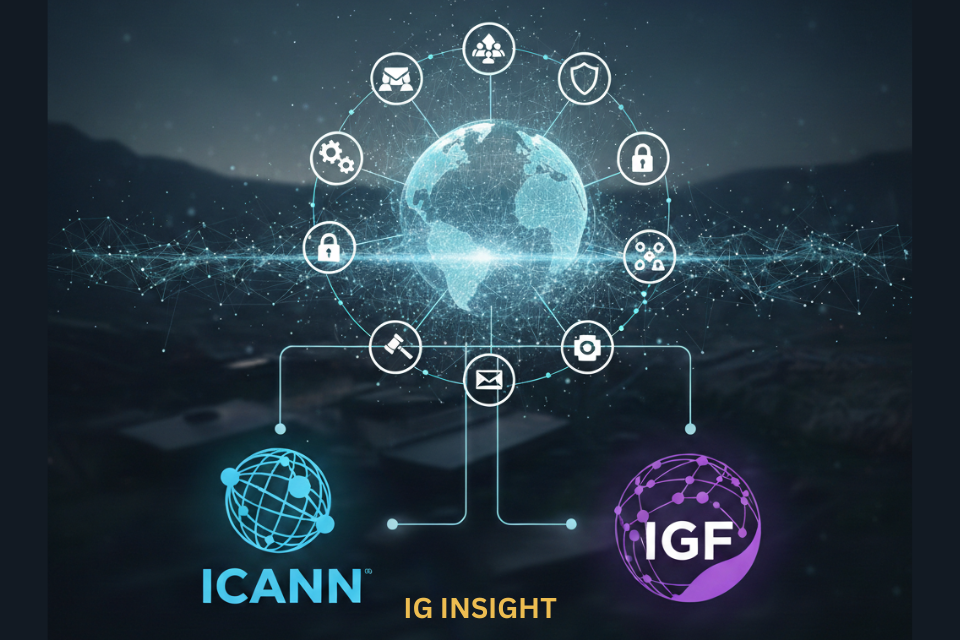
ICANN — the Internet Corporation for Assigned Names and Numbers — is the nonprofit organization responsible for coordinating the maintenance and procedures of several databases related to the namespaces and numerical spaces of the Internet.
In simpler terms: ICANN makes sure every website address, IP number, and protocol identifier is unique and universally accessible. It manages domain names, IP addresses, and protocol parameters.
ICANN is organized into several Supporting Organizations and Advisory Committees. Two critical community structures within ICANN’s At-Large community are:
- RALO — Regional At-Large Organization
- ALS — At-Large Structure
What Is an ALS (At-Large Structure)?
| ALS Definition: An At-Large Structure (ALS) is any civil society organization — a nonprofit, academic body, community group, or advocacy organization — that has been formally affiliated with one of ICANN’s five Regional At-Large Organizations (RALOs) to represent the interests of individual Internet users. |
Who Can Become an ALS?
Almost any non-commercial civil society organization can apply to become an ALS, provided it:
- Is not-for-profit in nature
- Has a genuine interest in Internet-related public policy
- Represents or serves individual Internet users
- Is not already a member of another ICANN Supporting Organization
- Agrees to ICANN’s Bylaws and At-Large community principles
What Does an ALS Actually Do?
ALS organizations are the grassroots heart of ICANN’s user community. Their activities include:
- Providing local-language information about ICANN processes to their communities
- Mobilizing individual Internet users to engage with policy consultations
- Sending representatives to RALO meetings and ICANN Public Meetings
- Submitting comments on domain name policy, DNS security, and accessibility
- Conducting digital literacy and internet rights awareness campaigns
- Electing or recommending ALAC (At-Large Advisory Committee) representatives
| 📊 ALS by the Numbers: As of 2025, there are over 200 accredited ALS organizations spread across all five ICANN regions, collectively representing millions of Internet users across more than 50 countries. |
What Is a RALO (Regional At-Large Organization)?
| 🌍 RALO Definition: A Regional At-Large Organization (RALO) is a formal body within ICANN’s At-Large Community that brings together all the ALS organizations from a specific geographic region. RALOs are the regional coordination hubs between local ALS groups and the global ALAC. |
The Five RALOs of ICANN
ICANN divides the world into five geographic regions, each with its own RALO:
| Acronym | Full Name | Region Covered |
| AFRALO | Africa Regional At-Large Organization | Africa |
| APRALO | Asia Pacific Regional At-Large Organization | Asia Pacific |
| EURALO | European Regional At-Large Organization | Europe |
| LACRALO | Latin American & Caribbean Islands At-Large Organization | Latin America & Caribbean |
| NARALO | North America Regional At-Large Organization | North America |
What Does a RALO Actually Do?
RALOs serve as the vital connective tissue between individual ALS organizations and the global At-Large Advisory Committee (ALAC). Their core functions are:
- Coordinating regional positions on ICANN policy issues
- Organizing regional public outreach and capacity-building workshops
- Electing regional representatives to the ALAC
- Facilitating inter-ALS communication and collaboration within the region
- Managing regional accreditation of new ALS organizations
- Preparing regional statements and submissions to ICANN consultations
- Hosting Regional At-Large Meetings (RALMs) before ICANN Public Meetings
RALO vs ALS: The Definitive Comparison Table
Here is the side-by-side breakdown you have been waiting for:
| Criteria | RALO | ALS |
| Type of Body | Advisory body under ALAC | Formal ICANN Supporting Organization |
| Primary Role | Grassroots At-Large outreach | Consensus Policy development |
| Geographic Scope | 5 regions worldwide | Global (all 5 regions) |
| Membership | At-Large Structures (ALS) | ALAC + 5 RALOs |
| Policy Power | Consultative (advisory) | Direct policy voice |
| Formed | 2003 (RALO concept) | Formally structured 2002-2003 |
| Key Output | Community statements & outreach | Formal ICANN Advice Letters |
| Relation to ICANN | Indirect (through ALAC) | Direct stakeholder |
| Focus | Local / regional engagement | Global Internet user interests |
| Decision Power | Recommendations only | Non-binding but influential advice |
Key Facts & Statistics: RALO and ALS at a Glance
| Fact # | Detail |
| 5 | Number of RALO regions covering the globe |
| 200+ | At-Large Structures (ALS) affiliated globally |
| 2000+ | Civil society organizations engaged through RALO/ALS |
| 4B+ | Internet users indirectly represented by At-Large |
| 15 | ALAC members elected/appointed across 5 RALOs |
| 3 | Annual ICANN public meetings where ALS/RALO participate |
| 2003 | Year RALO structure was formally established |
| 50+ | Countries with active ALS membership |
How RALO and ALS Work Together: The Ecosystem Explained
Think of ICANN’s At-Large community as a three-tiered pyramid:
| 🌐 ALAC (At-Large Advisory Committee) [Top Tier] Provides formal policy advice directly to ICANN’s Board. 15 members from all 5 regions. |
| 🌍 RALOs (5 Regional Bodies) [Middle Tier] Coordinate ALS groups regionally. Elect ALAC members. Develop regional positions. |
| 🏢 ALS Organizations (200+) [Base Tier] Grassroots civil society groups. Local outreach. Represent everyday internet users. |
The flow of influence works like this: An ALS in Kenya raises concerns about multilingual domain name accessibility. The issue is elevated through AFRALO (Africa’s RALO) into a regional position paper. ALAC then formally advises ICANN’s Board. Policy changes may follow.
| 🔄 The Feedback Loop: ICANN decisions flow DOWN through ALAC → RALOs → ALS → communities. Community concerns flow UP through ALS → RALOs → ALAC → ICANN Board. This bidirectional flow is what makes the system genuinely participatory. |
TRENDING FEATURE: The At-Large Power Scorecard
The At-Large Power Scorecard: RALO vs ALS Influence Meter
In the age of data-driven decision-making, we created a unique scoring framework to help you visualize relative influence — not just structure. Here is how RALO and ALS score across six critical dimensions:
| Influence Dimension | RALO Score | ALS Score | Winner |
| Policy Influence | ★★★★☆ 4/5 | ★★☆☆☆ 2/5 | RALO |
| Community Reach | ★★★☆☆ 3/5 | ★★★★★ 5/5 | ALS |
| Local Relevance | ★★★☆☆ 3/5 | ★★★★★ 5/5 | ALS |
| Global Visibility | ★★★★☆ 4/5 | ★★☆☆☆ 2/5 | RALO |
| Decision Speed | ★★★☆☆ 3/5 | ★★★★☆ 4/5 | ALS |
| Accountability | ★★★★☆ 4/5 | ★★★☆☆ 3/5 | RALO |
Verdict: Neither RALO nor ALS dominates in all areas — they are complementary, not competitive. RALO wins on policy power and global visibility; ALS wins on community depth and local relevance. The synergy between the two is what makes At-Large genuinely democratic.
Common Misconceptions: RALO vs ALS Myth-Busting
| ❌ Myth 1: RALO and ALS are the same thing. FALSE. An ALS is an individual organization. A RALO is a regional association of many ALS organizations. They operate at different levels of the governance hierarchy. |
| ❌ Myth 2: Only big tech companies can join ICANN communities. COMPLETELY WRONG. ALS organizations can be small NGOs, university clubs, or community internet access groups. Size does not matter — mission does. |
| ❌ Myth 3: RALO and ALS have direct voting power over ICANN decisions. MISLEADING. Their power is advisory. However, ICANN’s Board must formally consider ALAC advice — which flows from RALO and ALS input. This creates meaningful influence without a direct vote. |
| ❌ Myth 4: You need to be from a wealthy country to participate. FALSE. ICANN actively funds participation from developing nations. Fellowship programs and travel support exist specifically for underrepresented regions. |
How to Get Involved: Joining as an ALS or Engaging with Your RALO
Getting your organization involved with ICANN’s At-Large community is easier than you might think. Here is a step-by-step pathway:
Step 1: Determine Eligibility Check that your organization is non-commercial and focused on Internet users’ interests. Review ICANN’s ALS eligibility criteria on the ICANN website.
Step 2: Identify Your Region Find which RALO covers your country. This will be your regional gateway into the At-Large community.
Step 3: Submit an ALS Application Complete the online ALS application form through your target RALO’s website. Provide your organization’s mission, contact details, and proof of activity.
Step 4: Await Review RALO leadership reviews applications. Approval is granted if your organization meets the criteria and there is no conflict of interest.
Step 5: Engage! Once approved, begin attending RALO meetings, joining working groups, and contributing to regional and global policy discussions.
Frequently Asked Questions: RALO vs ALS
What is the main difference between RALO and ALS?
An ALS is an individual civil society organization that represents Internet users. A RALO is the regional body that brings multiple ALS organizations together under one regional umbrella. Think of ALS as the members and RALO as the regional club they join.
How many RALOs exist in ICANN?
There are exactly five RALOs, one for each of ICANN’s geographic regions: AFRALO (Africa), APRALO (Asia Pacific), EURALO (Europe), LACRALO (Latin America & Caribbean), and NARALO (North America).
Can any organization become an ALS?
Yes, with conditions. Any non-commercial civil society organization that represents Internet users can apply. It must not be part of another ICANN Supporting Organization and must commit to ICANN’s principles. Both large and small organizations qualify.
Does joining as an ALS cost money?
There are no membership fees to become an ALS or to participate in RALO activities. ICANN also offers fellowship programs that cover travel and accommodation costs for in-person participation at ICANN Public Meetings.
Do RALO and ALS actually change ICANN policy?
Yes, though indirectly. Input from ALS organizations flows through RALOs to ALAC, which provides formal advice to ICANN’s Board. ICANN’s Board must respond to ALAC advice — meaning the At-Large community has real influence on how domain names, IP addresses, and internet protocols are governed.
How does RALO relate to ALAC?
ALAC (At-Large Advisory Committee) is the formal advisory body. Each RALO elects or appoints members to ALAC. So RALO is the mechanism through which regional ALS voices get represented at the global advisory level.
Ready to Shape the Internet?
The debate around RALO vs ALS is not just academic — it is about who gets to influence the policies that govern the Internet you use every single day.
If your organization cares about digital rights, internet access, multilingualism, privacy, or cybersecurity — there is a place for you in ICANN’s At-Large community.
Take Action Today
-> Visit icann.org/participate to explore At-Large membership
-> Find your RALO at atlarge.icann.org and attend your next regional meeting
-> Apply to become an ALS — your community’s voice in global Internet governance
-> Share this post to raise awareness about ICANN’s democratic structures
The Internet belongs to everyone. Make sure your voice is in the room.
© 2026 IG Insight Blog. This article is published for educational and informational purposes.

Dipankar Barua is an internet governance advocate from Dhaka, Bangladesh, who believes that voices from the Global South must be heard in the rooms where the internet’s future is decided. As an ICANN advocate and VSIG member, he actively engages in multistakeholder policy processes spanning DNS security, digital inclusion, and responsible AI governance. With an academic grounding in Computer Science and AI, and over 15 years of applied IT experience, Dipankar bridges the gap between technical communities and policy spaces — writing, participating, and advocating for a more open, equitable, and inclusive internet for all.